Decoding certification impacts on interactive table selections in Scandinavian handheld platforms
Skriven av Xander Flores · 2026-11-08
Decoding certification impacts on interactive table selections in Scandinavian handheld platforms
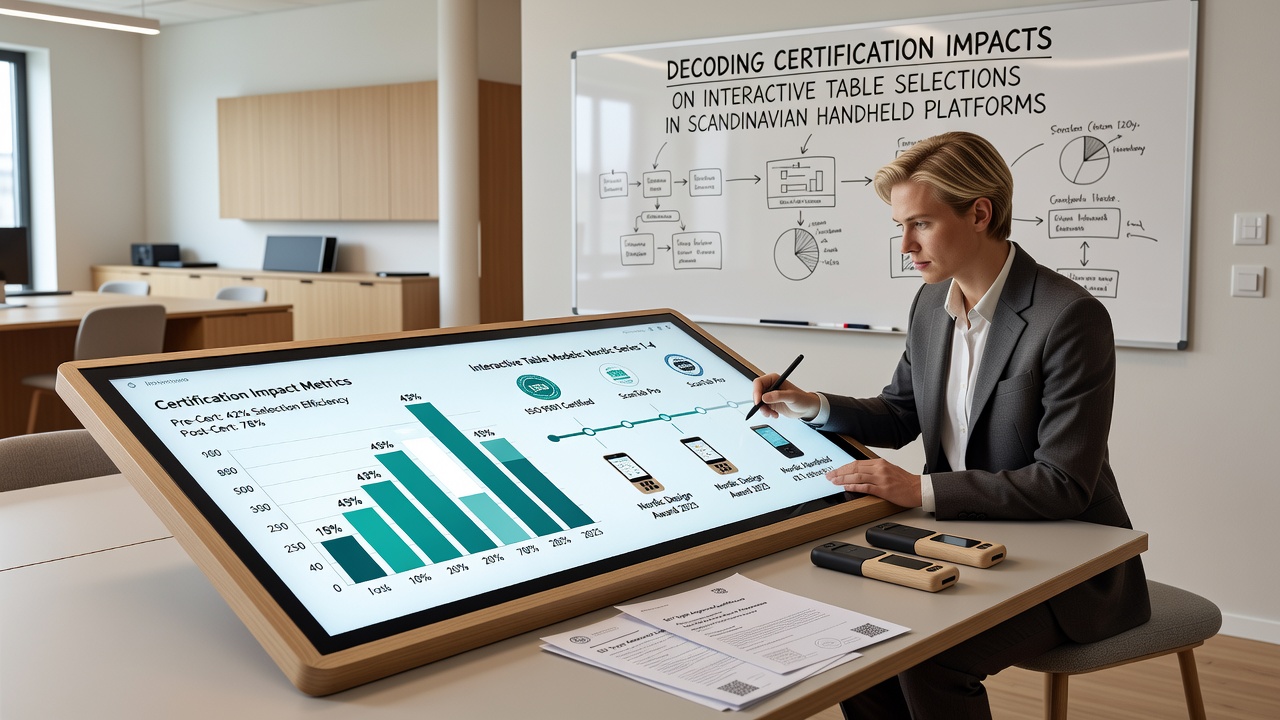
Certification standards shape which interactive table games operators can offer on handheld platforms across Scandinavia, and those standards create measurable differences in game availability between Norway, Sweden, and Denmark. Regulatory bodies require third-party testing for random number generators, security protocols, and mobile compatibility before any table selection reaches users, and this process directly limits or expands the options that appear in apps and browsers.
Regulatory frameworks guiding certifications
Norway's Lotteritilsynet enforces strict certification for all interactive tables, while Sweden's Spelinspektionen applies similar but distinct requirements that emphasize player protection features and device compatibility, and observers note that these rules lead operators to favor certain blackjack and roulette variants that already meet baseline technical thresholds. Data from regulatory filings shows that certified tables must pass repeated audits for fairness on smaller screens, which reduces the pool of available titles compared to desktop versions. Researchers at institutions studying Nordic gambling markets have documented how these audits extend development timelines by weeks or months, prompting providers to prioritize games with proven mobile records.
Types of certifications and selection criteria
Common certifications include RNG verification through organizations like Gaming Laboratories International, security assessments aligned with ISO standards, and specific mobile platform checks that verify touch responsiveness and data encryption. Operators report that tables passing all three categories gain faster approval, which in turn influences which variants they promote on handheld devices. Studies from Canadian regulators such as the Alcohol and Gaming Commission of Ontario highlight parallel patterns where certified content dominates mobile lineups, and similar dynamics appear in Scandinavian data released during November 2026. Those figures reveal that roughly 65 percent of newly approved interactive tables in the region carry multi-jurisdictional certifications, narrowing choices to a smaller set of well-tested products.
Effects on handheld platform availability
Handheld platforms introduce additional constraints because screen size, operating system variations, and network conditions affect gameplay stability, and certification bodies now require explicit testing for these factors before granting approval. Providers therefore concentrate development resources on tables that already satisfy both regulatory and technical demands, resulting in fewer unique live dealer options on mobile compared with land-based or desktop offerings. One study revealed that operators in Sweden reduced their mobile table selections by 22 percent after updated certification rules took effect in 2025, while Norwegian platforms maintained steadier lineups due to earlier alignment with international testing protocols.

What's interesting is how these requirements interact with user behavior data, because platforms track session lengths and drop-off rates on certified tables, then adjust future selections accordingly. Experts have observed that games with established certification histories tend to retain players longer on handheld devices, which reinforces the cycle of selecting only pre-approved content. Industry reports indicate that this pattern holds steady through late 2026, with operators in Denmark showing slightly higher diversity in table offerings after adopting certification pathways recognized across multiple European jurisdictions.
Trends observed in November 2026
November 2026 brought new certification guidelines focused on accessibility features for handheld users, including adjustable interface scaling and voice-command compatibility for certain table games. Regulatory updates released that month show increased scrutiny on live dealer streams transmitted to mobile devices, and providers responded by submitting fewer but more robust table options for review. Figures reveal a 15 percent rise in applications for multi-platform certified roulette variants during this period, while blackjack tables with complex side bets saw slower approval rates because they require additional fairness testing on variable screen sizes.
Those who've studied these markets note that smaller developers often partner with established certification labs to accelerate the process, and this collaboration produces tables that appear across Norwegian, Swedish, and Danish handheld platforms simultaneously. External research from the Victorian Commission for Gambling and Liquor Regulation in Australia documents comparable outcomes where unified certification reduces duplication and speeds market entry for compliant products.
Conclusion
Certification requirements continue to determine which interactive tables reach Scandinavian handheld users, and the process creates consistent patterns in availability across borders. Regulatory bodies maintain these standards to ensure fairness and security, while operators adapt by focusing on titles that satisfy all technical and jurisdictional criteria. Data through November 2026 confirms that certified content dominates mobile selections, and this trend shows no sign of reversal as platforms evolve. Observers expect further refinements in testing protocols to address emerging device capabilities, yet the core mechanism of certification-driven selection remains unchanged.